The Blueprint for Enterprise Synchronization
Transitioning from legacy manual processes to modern automation requires more than software. It demands a structural shift in how data moves through your organization. We outline the path from siloed operations to a unified, automated ecosystem.
Implementation Readiness
- Audit existing legacy sync systems and bottlenecks.
- Define high-impact automation candidates.
- Establish architectural synchronization standards.

Legacy Constraints vs. Modern Flow
Many Thai enterprises struggle with manual entry loops where human intervention is the only bridge between departments. This creates data latency—a primary obstacle to competitive agility.
True automation isn't about replacing the workforce; it is about liberating your teams from the "copy-paste" cycle. By establishing robust sync systems, data moves in real-time, ensuring that a sales entry in Bangkok is instantly visible to logistics in Chonburi without a single manual email.
Explore Sync SolutionsFive Pillars of Automated Sync
A rigorous approach to decommissioning manual friction.
Identification
Mapping every touchpoint where data is manually handled. We target high-volume, low-complexity tasks first to build immediate operational momentum.
Normalization
Establishing a common language between disparate legacy systems. Without cleaned and normalized data, automation merely accelerates existing errors.
Orchestration
Designing the workflow logic that triggers actions across your stack. This is the nervous system of your digital transformation.
Validation
Implementing automated sanity checks. Our 2026 validation protocols ensure that every sync event is verified for integrity before final ledger entry.
Maintenance
Continuous monitoring of API health and synchronization status to prevent "silent failures" in complex enterprise environments.
Methodology in Practice
We view every synchronization project as a structural renovation. We don't just add features; we replace the internal data plumbing of the business.
"The goal isn't more data—it's more reliable data. Automation is the discipline that makes reliability scalable across the enterprise."
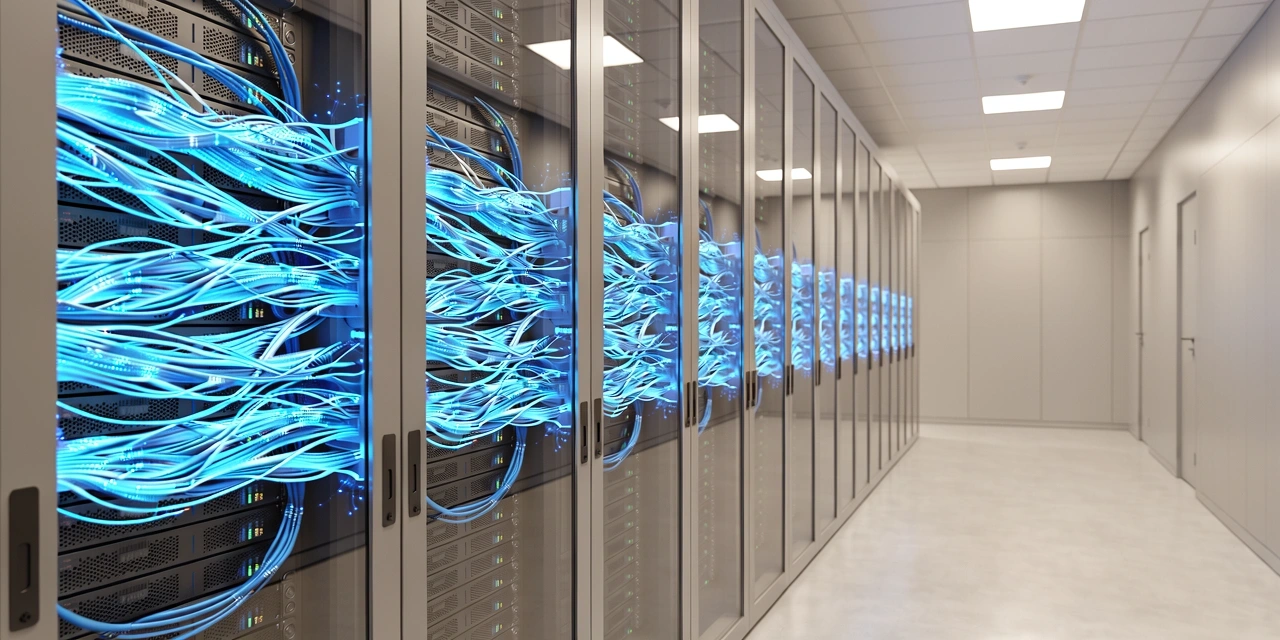
Phase 1: Terminal Audit
Exposing the hidden costs of manual data handling and identifying API-first integration points.

Phase 2: Sync Stability
Developing custom synchronization middleware tailored to specialized Thai business regulations and formats.

Phase 3: Operational Scaling
Transitioning from pilot automation scripts to full-scale enterprise robotic process orchestration.
Need a Technical Deep-Dive?
Our Validation Process explains how we ensure data integrity during major transitions.
Review MethodologyStop Managing Data. Start Orchestrating Growth.
The shift from manual legacy systems to automated sync systems is no longer just a technical upgrade—it’s the fundamental barrier between stagnant operations and exponential scalability in Thailand's digital economy.
Resource Index