+66 2 7300 0904 Bangkok 4
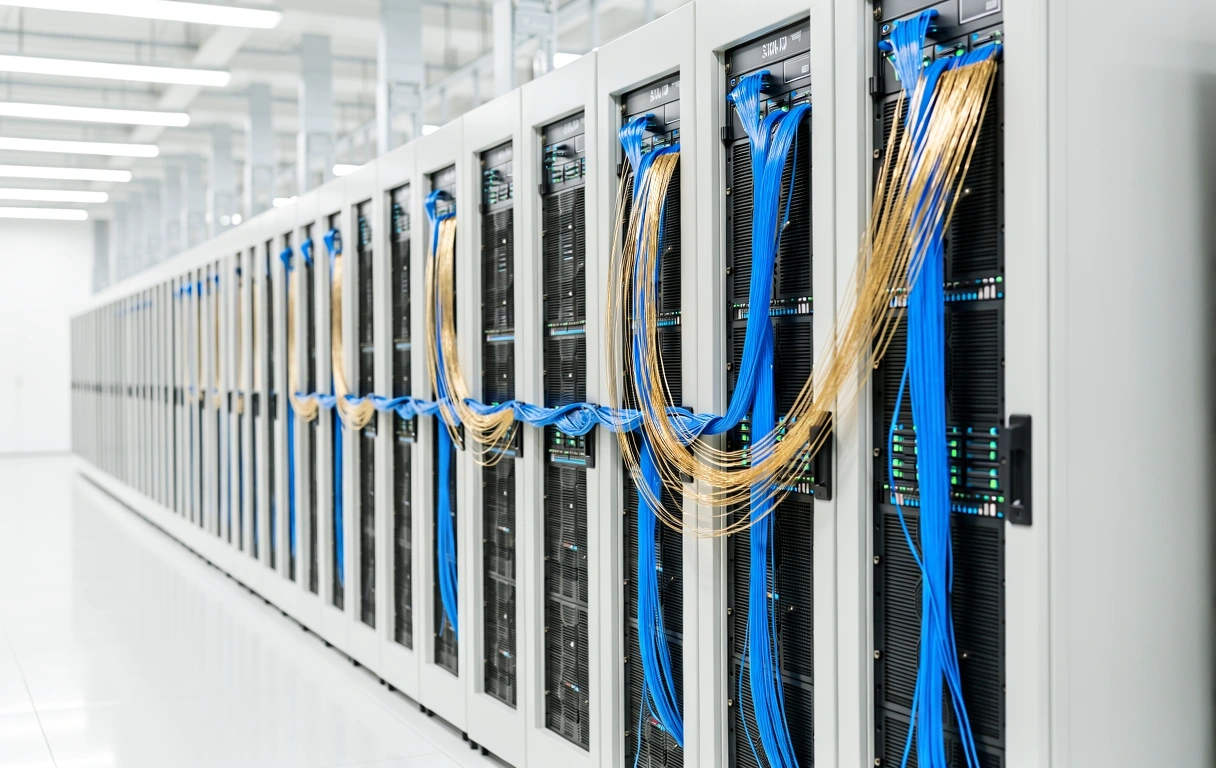
High-authority data infrastructure environment
Technical Taxonomy

Architecting Reliability in Data Connectivity.

A comprehensive technical breakdown of the sync systems and structural engineering required to maintain operational consistency across Thai enterprise networks.

01 / Enterprise Resource Planning

Backbone Alignment

In many Thai enterprise environments, local ERP legacy systems often conflict with modern cloud-based data warehouses. Our approach to these sync systems focuses on bridging high-latency on-premise servers with low-latency API triggers to ensure financial and inventory records remain identical across all nodes.

Technical Use Case

Multi-warehouse inventory reconciliation and regional tax compliance mapping.

02 / Dynamic Event Handling

Live API Orchestration

Automation within a modern digital service requires more than periodic batching. We architect event-driven synchronization frameworks that respond to specific database triggers, allowing information to move instantly between CRM platforms and specialized customer-facing applications.

Technical Use Case

Customer support ticket mirroring and real-time shipment tracking updates.

03 / Storage & File Security

Redundant Sync Logic

Large-scale media and data processing firms require sync systems that manage conflict resolution without manual intervention. We deploy bi-directional mirroring protocols that preserve file hierarchy and permissions while balancing loads across disparate geolocation nodes.

Explore Storage Automation

Implementation Methodology

Stage One

Schema Mapping

Data rarely exists in a uniform state. Our initial process involves a deep audit of your existing data structures to identify conflicting schemas. By creating a unified translation layer, we ensure that automation protocols do not trigger errors when encountering localized data formats or legacy formatting quirks inherent to specific software versions.
Stage Two

Conflict Logic

When two systems update the same record simultaneously, a master logic must dictate the outcome. We build custom conflict resolution rules based on business priority—whether it is the last update timestamp, the system of record hierarchy, or a manual validation flag. This step is what separates a basic transfer tool from a professional sync system.

Stage Three

Latency Optimization

Efficiency is measured in milliseconds. We evaluate the bandwidth and processing constraints of the enterprise network to determine the optimal sync frequency. For high-volume environments, we implement delta-syncing, which only transmits changed data segments rather than entire files, significantly reducing the load on Thai regional internet gateways.

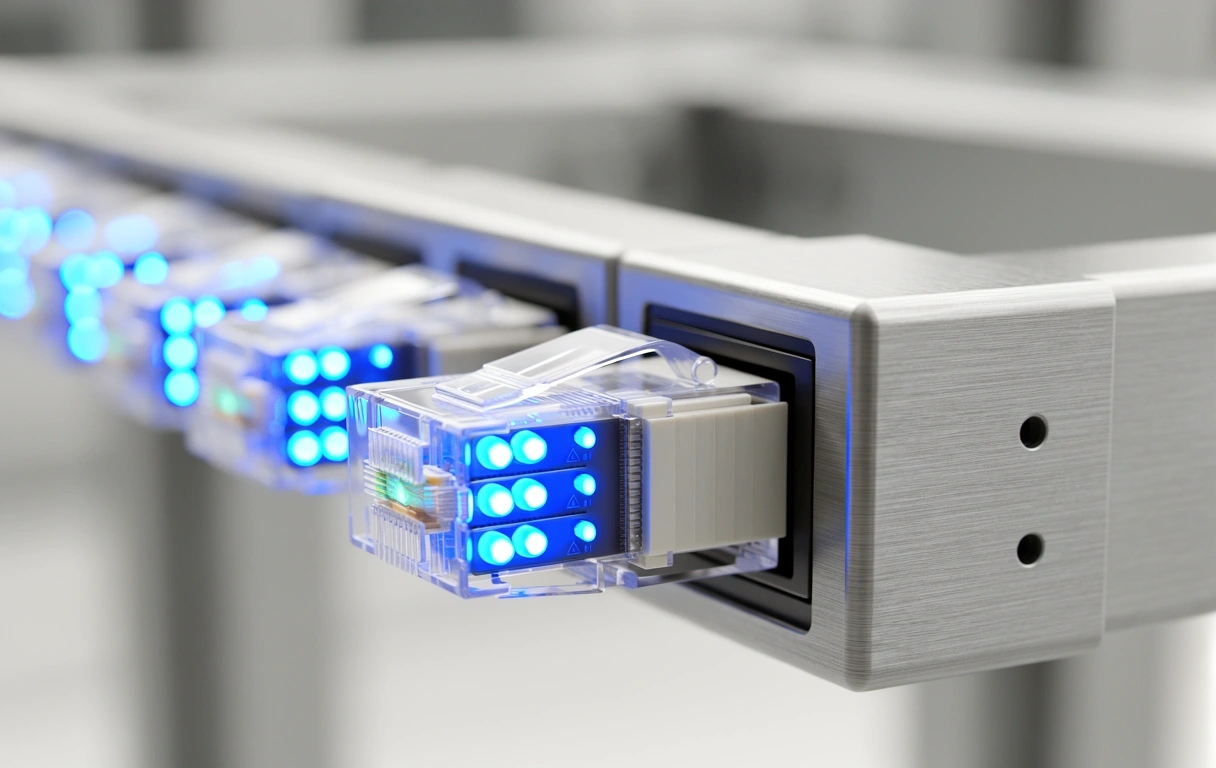
Advanced sync hardware and connectivity

Ready to Resolve Your Data Divergence?

Every organization faces unique bottlenecks. We provide the expertise to diagnose why your automation is stalling and how specialized sync systems can restore operational equilibrium. Our Bangkok-based team works directly with your technical leads to ensure a smooth transition.

System Capabilities

Feature Matrix

Bi-Directional

Simultaneous data updates across two or more systems with automatic conflict management and state tracking.

Atomic Transactions

Ensuring that sync operations either complete entirely or not at all, preventing partial data corruption.

Encrypted Pipelines

End-to-end TLS 1.3 encryption for all data in transit between cloud storage and local enterprise servers.

Log Auditing

Comprehensive tracking of every data packet moved, providing a clear trail for regulatory compliance.

Precision sync systems are the invisible foundation of the modern Thai enterprise. Without them, even the most advanced AI and automation tools operate on flawed information.

— ZenWaveSync Technical Editorial Team